
Match each animal to the right place and season
Kiama sits between the ocean and the Illawarra escarpment, so a short drive takes you from rocky headlands to rainforest and heath. Here is where official sources say each animal turns up, with travel times from Kiama Ridge Waters.
| Wildlife | Where to look | When | From the apartments |
|---|---|---|---|
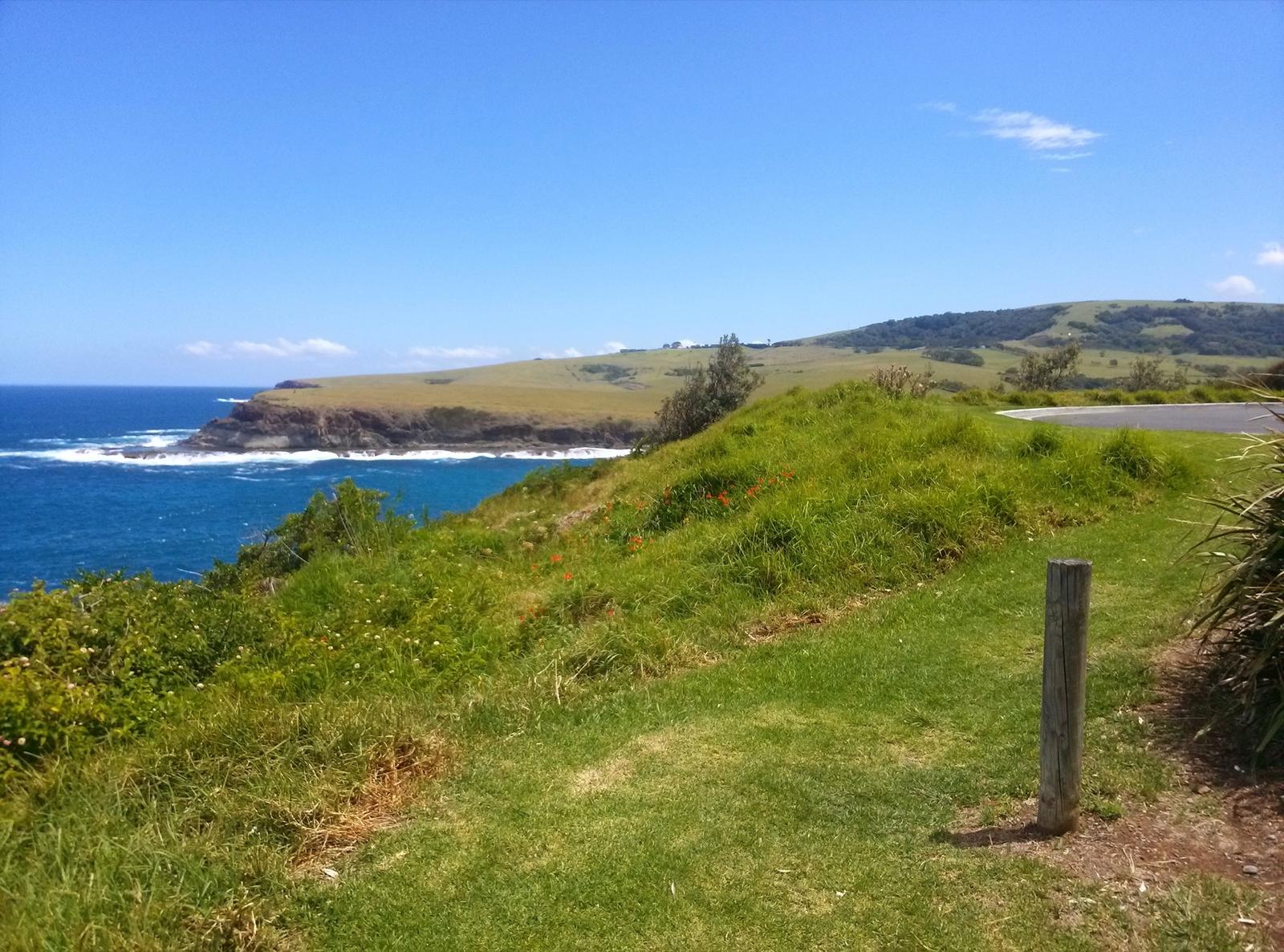
| Humpback and southern right whales | Headlands and whale watching platforms | Late May to July heading north, September to November heading south | Blowhole Point 35 min on foot (2.9 km) |
| Dolphins | Along the coast, including Kendalls Beach | Any time, if you're lucky | Kendalls Beach 16 min on foot |
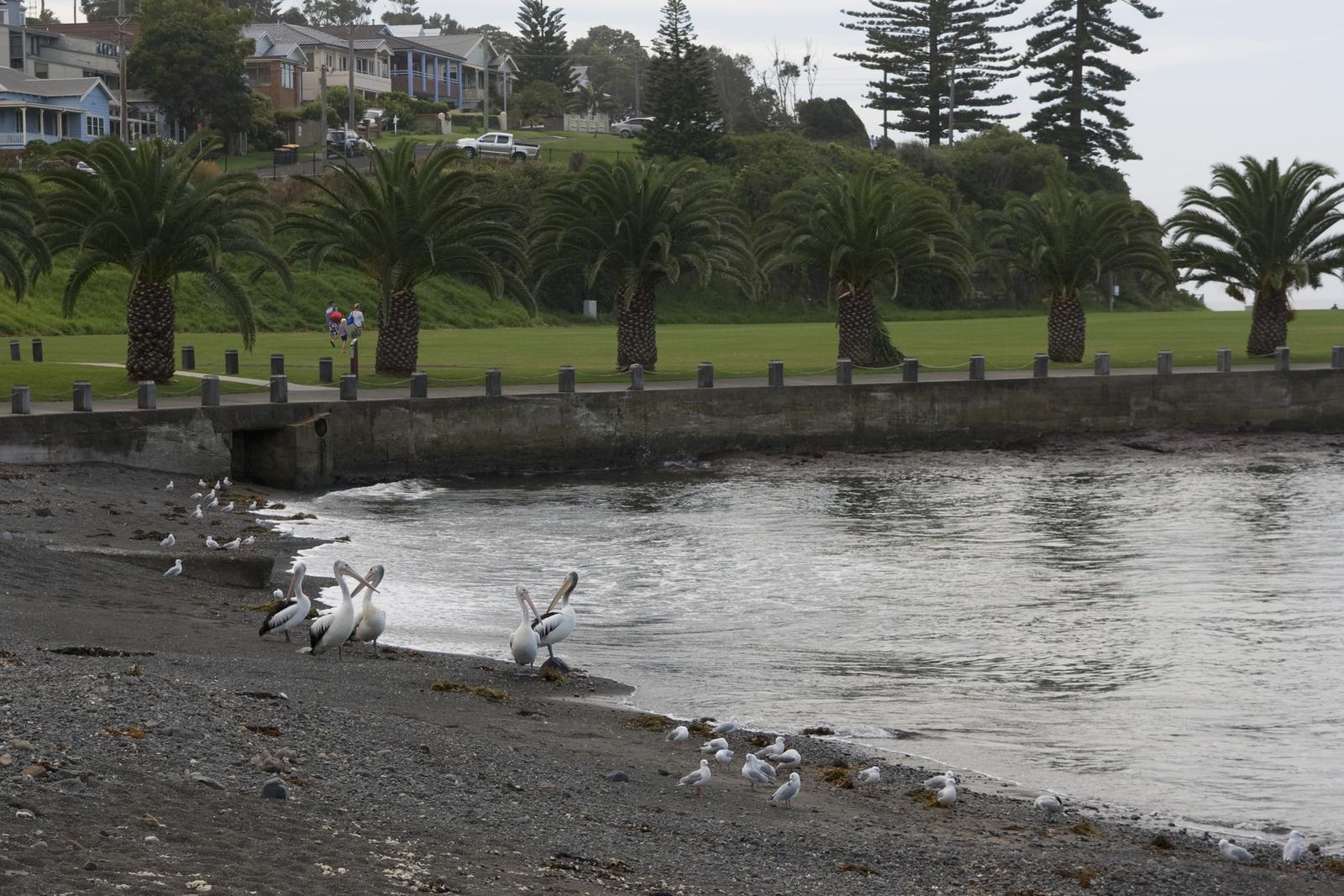
| Stingrays, pelicans, oystercatchers | Kiama Harbour and the jetty | Year round | 33 min on foot (2.7 km) or 6 min by car |
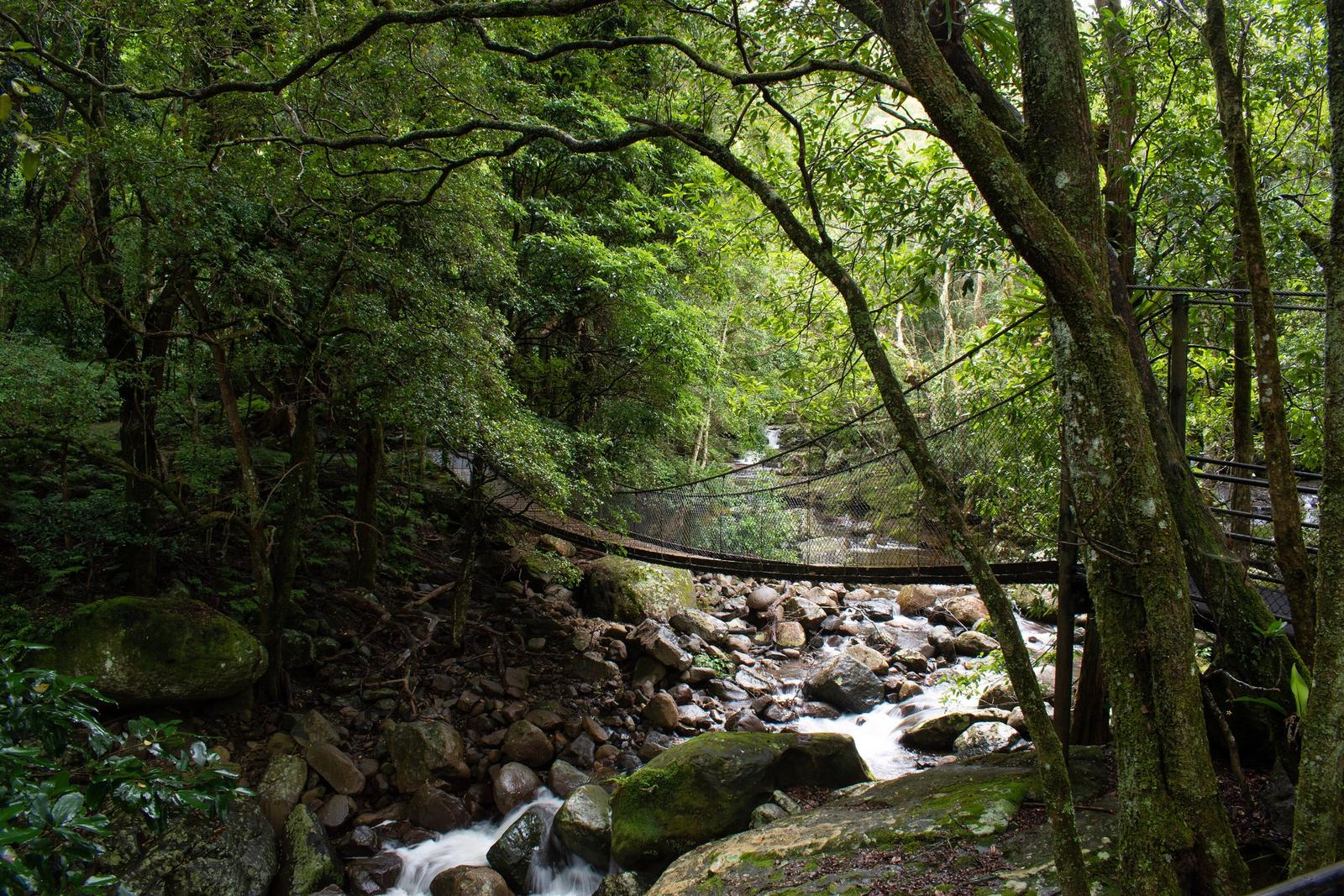
| Superb lyrebirds, swamp wallabies, water dragons | Minnamurra Rainforest, Budderoo National Park | Males display June to August | 25 min by car (18 km) |
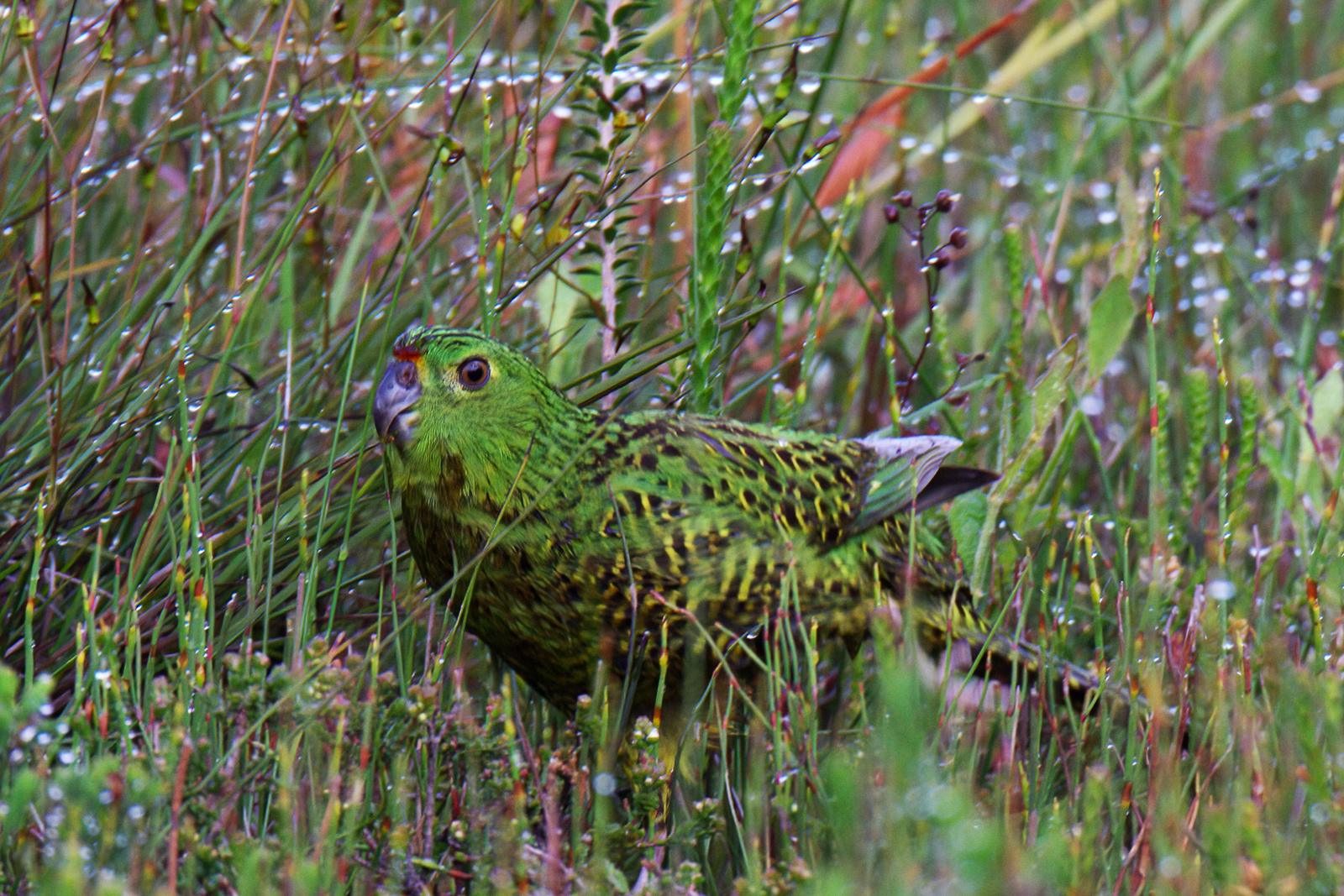
| Ground parrots, eastern bristlebirds, about 180 bird species | Barren Grounds Nature Reserve | Year round, wildflowers in spring | 31 min by car (22.5 km) |
| Waterbirds and bush birds | Spring Creek Wetlands bird hide | Year round | 5 min by car (4 km) |
| Parrots, honeyeaters, greater gliders | Seven Mile Beach National Park | Gliders at night | 19 min by car |
| Eastern grey kangaroos | Murramarang National Park, further south | Year round | About 2 hours by car (144 km) |
Treat every sighting as a bonus, as animals keep their own timetable.
Watch for whales and dolphins from the headlands
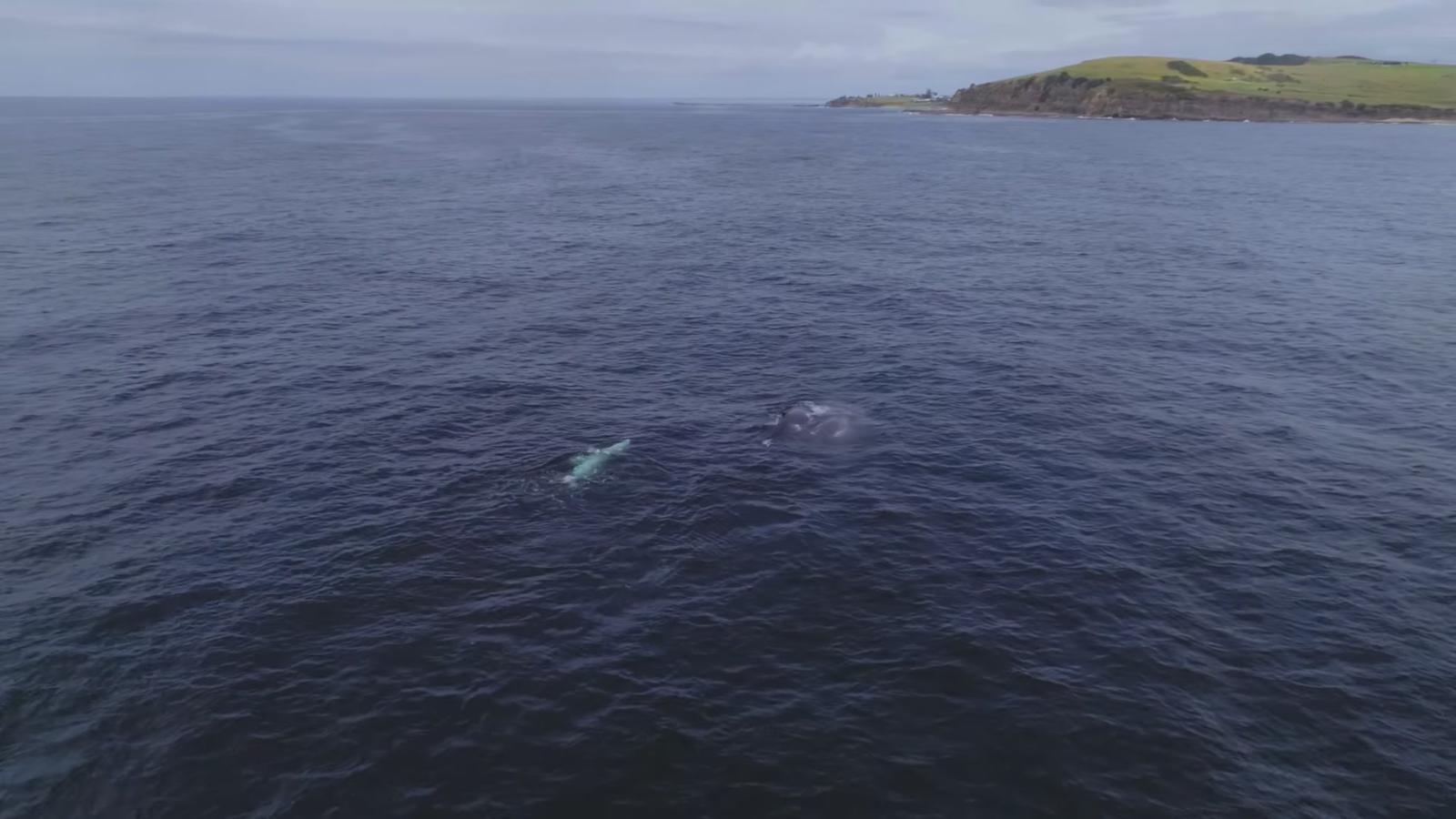
Destination Kiama names humpback and southern right whales as the ones you're most likely to see. They head north from late May to July, then return south with their calves from September to November. You can watch from free spots such as Blowhole Point, Bombo Headland and the platforms at Minnamurra and Gerringong, all covered in our Kiama whale watching guide.
Dolphins are a year-round possibility. Destination Kiama says you may spot them along the coast or even share a wave with them in the surf, and its Kiama Coast Walk notes suggest looking for a dolphin or two at Kendalls Beach, a 16-minute walk from the apartments.
In the water, keep your distance. NSW law sets minimum approach distances for whales and dolphins for swimmers, paddlers, boats and drones. Read the NSW approach distances before you paddle out in whale season.
Listen for lyrebirds in Minnamurra Rainforest
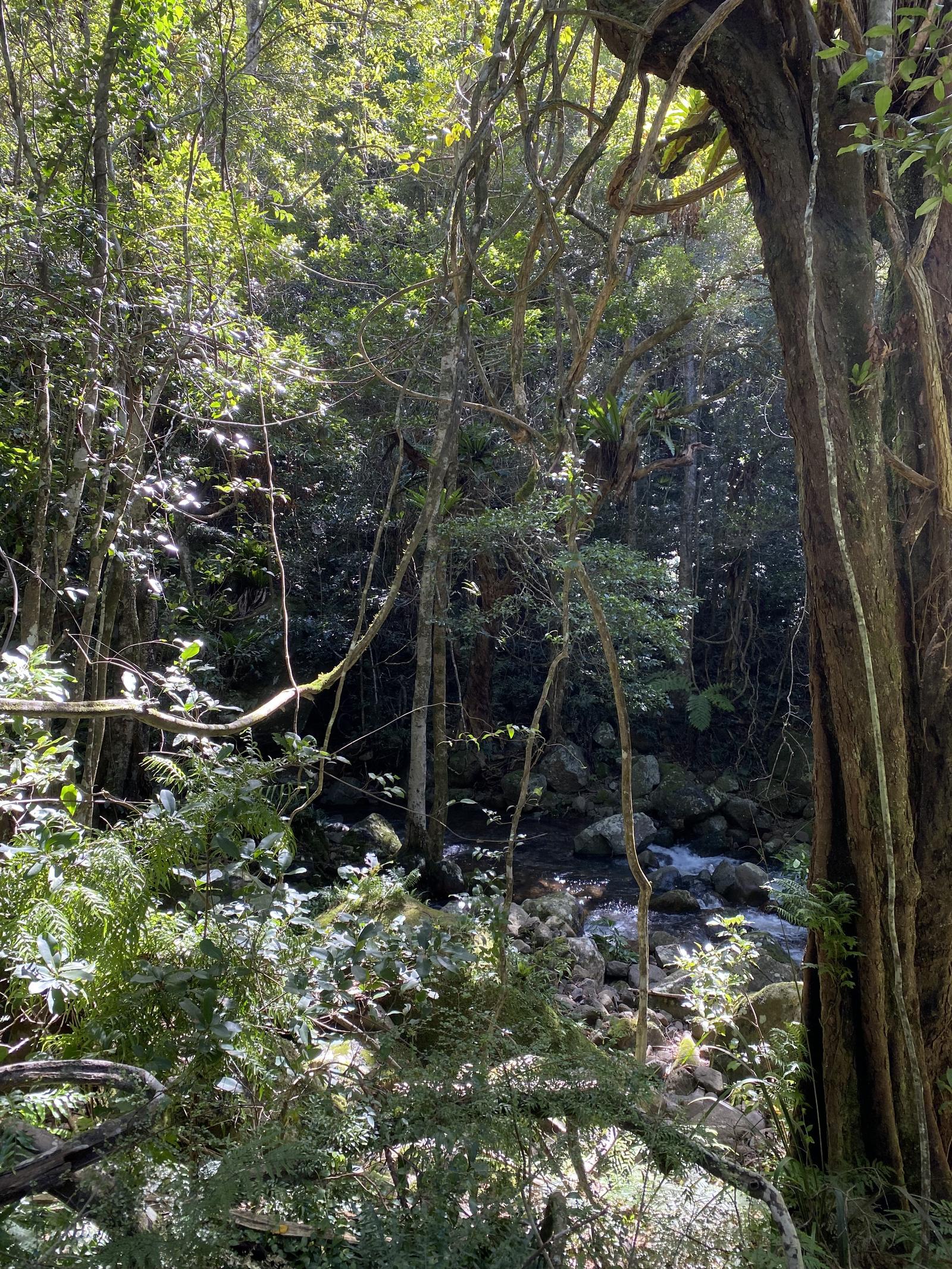
Minnamurra Rainforest, in Budderoo National Park, is where Destination Kiama says the superb lyrebird is a local favourite. Lyrebirds are famous mimics, so you'll often hear one before you see it. NSW National Parks says that between June and August you may see a male displaying his tail.
NSW National Parks says you're almost guaranteed to see wildlife around the Minnamurra Rainforest Centre. Look for bowerbirds and king parrots in the canopy, eastern water dragons and diamond pythons basking near the creek, and swamp wallabies, which are most likely at dawn or dusk.
The 1.6 km Lyrebird Loop on a raised walkway is the easy option. Entry is $12 per vehicle per day, park gates open 9am to 5pm, and last access to the loop is 4pm. Fees and hours change, so check before you go. Our Minnamurra Rainforest guide covers the falls walk and parking.
Look for ground parrots on the Barren Grounds heath
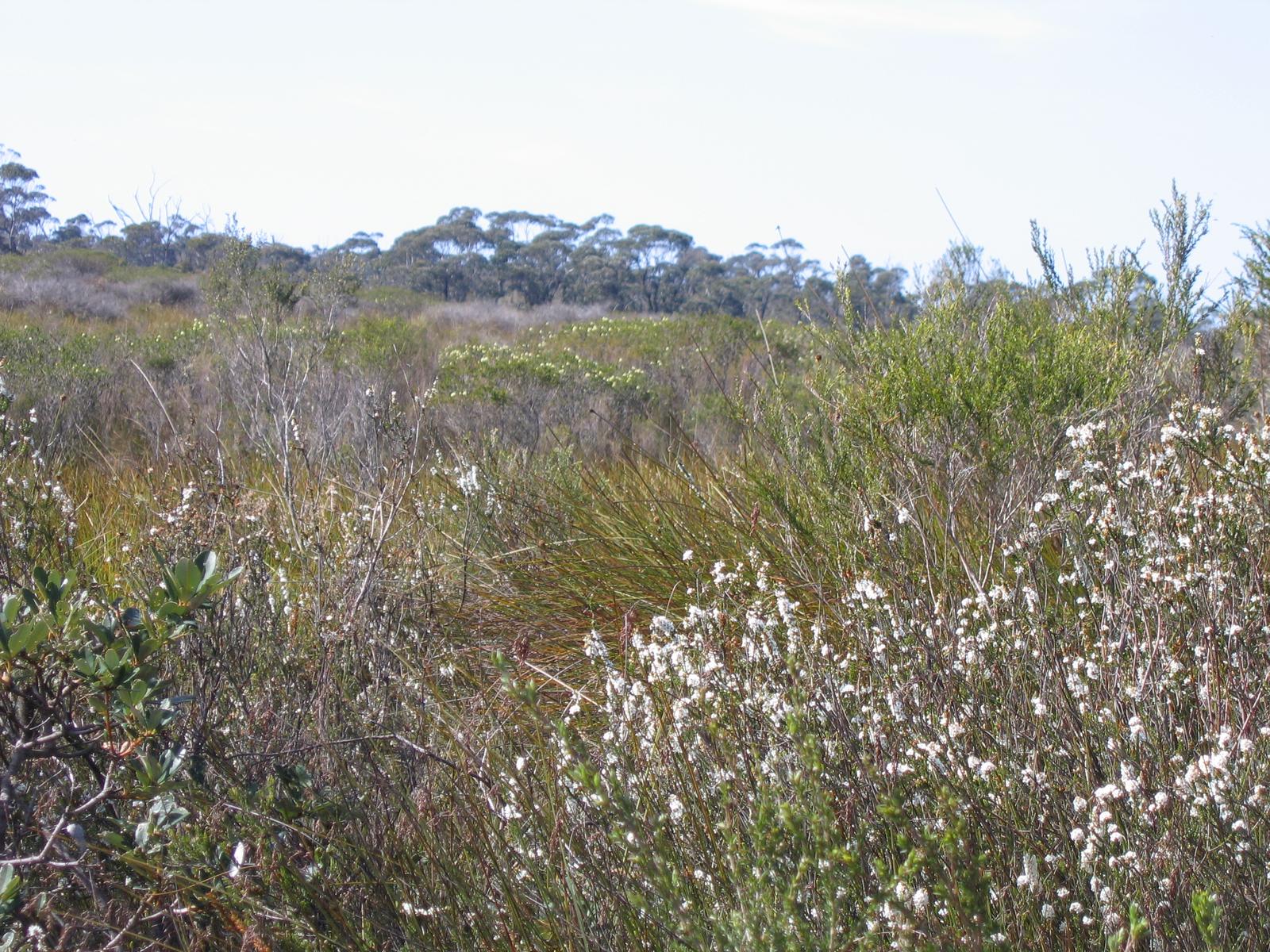
Barren Grounds Nature Reserve sits on top of the escarpment at Jamberoo Pass, about 31 minutes' drive (22.5 km) from the apartments. NSW National Parks calls it a birdwatcher's paradise, with around 180 bird species recorded. It was set up in 1956 to protect two threatened heathland birds: the bright green eastern ground parrot and the eastern bristlebird.
- Eastern ground parrot: listed as vulnerable in NSW. It lives on the ground in low heath, so walk slowly and scan the open patches near the track.
- Eastern bristlebird: endangered, shy and ground dwelling. NSW National Parks says fewer than 2,500 are left in the wild.
- Easier birds: honeyeaters, southern emu-wrens, crimson rosellas, cockatoos and grey currawongs.
The heath flowers in spring and summer, and banksias flower in winter.
There's no drinking water and little mobile reception, and the reserve can close in poor weather or fire danger. Pets aren't allowed. For track details, see walks in Kiama.
Spot gliders and parrots at Seven Mile Beach National Park
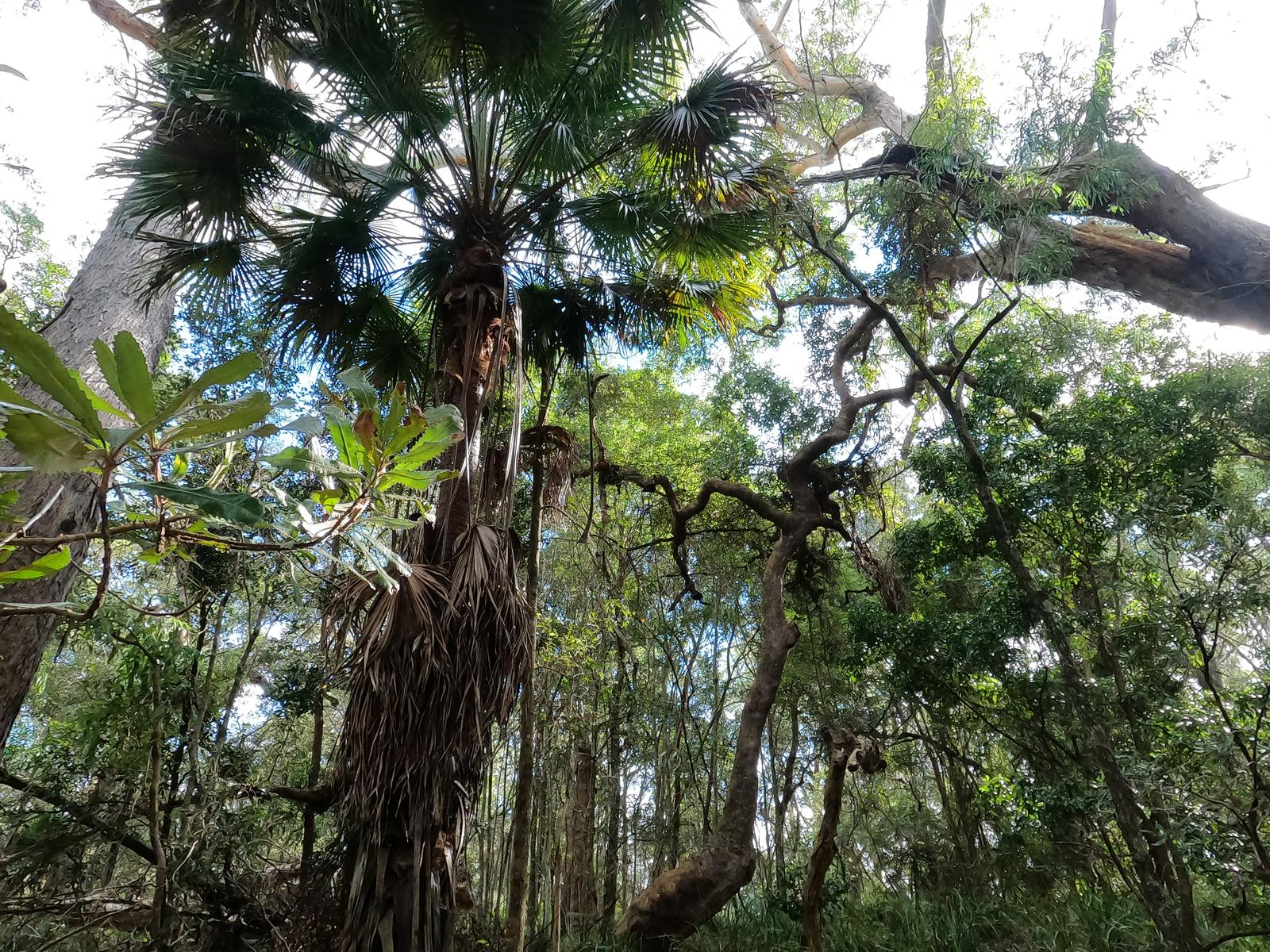
Seven Mile Beach National Park, past Gerroa and about 19 minutes' drive south, protects one of the last intact areas of bangalay and blackbutt sand dune forest on the south coast. Look for rainbow lorikeets, king parrots, rosellas, thornbills, wrens and New Holland honeyeaters in the tall forest.
Coomonderry Swamp, behind the dunes, is another good birdwatching spot. Greater gliders live in the forest too, but they come out at night, so ask about a spotlight walk with an NPWS Discovery Ranger.
Sand tracks lead through the forest between the picnic areas and the beach. Pets aren't allowed in the park. Read our Seven Mile Beach guide for directions, picnic areas and swimming.
Sit in the bird hide at Spring Creek Wetlands
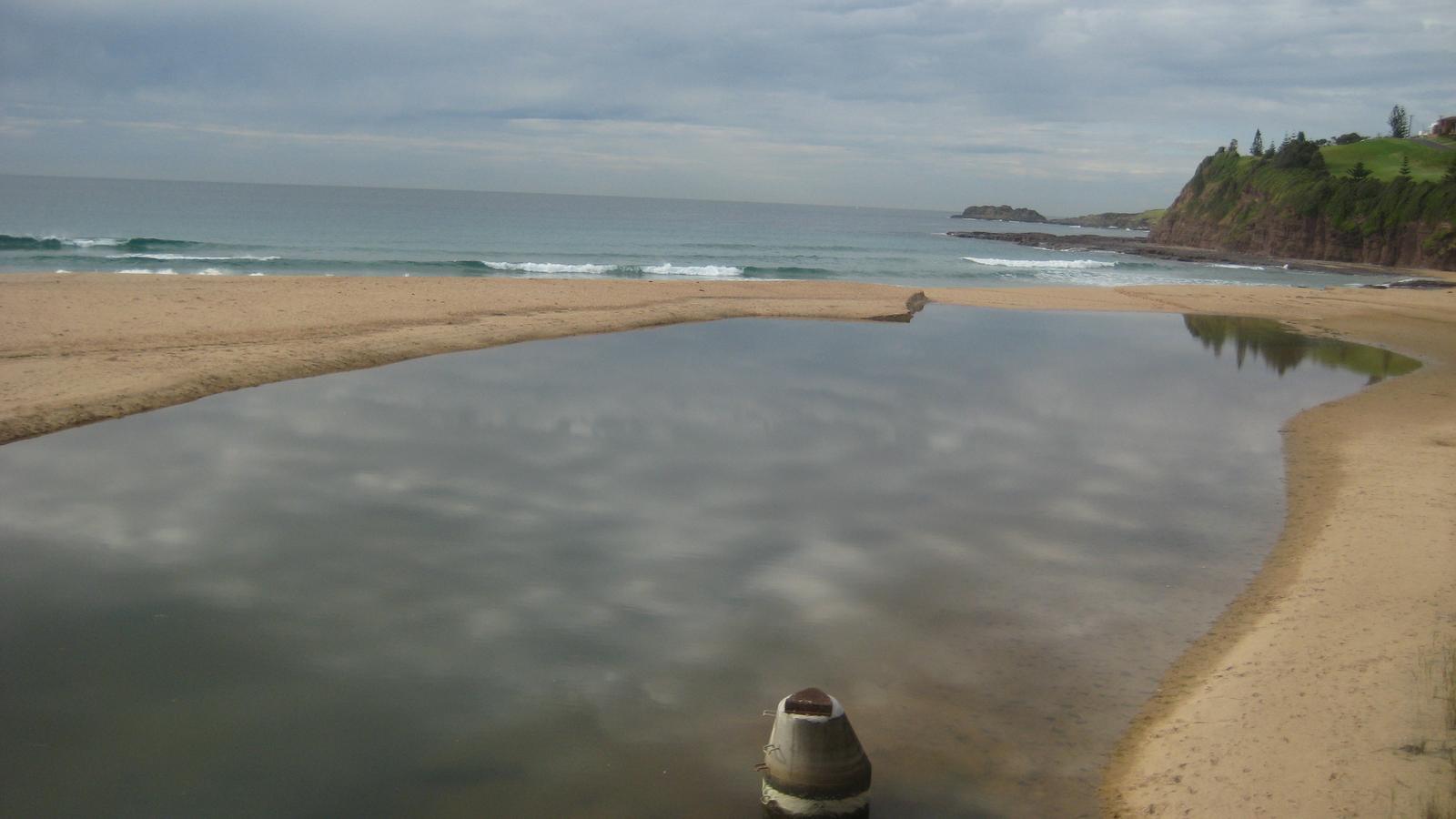
For birdwatching close to town, start at Spring Creek Wetlands, off Glenbrook Drive at the north end of Kiama, about a 5-minute drive (4 km) from the apartments. Destination Kiama describes an observation hide between the lagoon and a freshwater lake, with close views of cormorants, moorhens, coots, swans and mistletoebirds. The wetland walk runs on to the southern end of Bombo Beach. There's a car park, but the site doesn't cater for access needs.
Around the water, Destination Kiama says pelicans and oystercatchers are a regular sight in Kiama and Gerringong harbours, and stingrays can often be spotted around the Kiama jetty. Look for white-bellied sea eagles over the coast too. Combine the harbour with a walk on Kiama Harbour.
Ask for the local bird brochure at the Kiama Visitor Information Centre on Blowhole Point Road so you know what you're looking at.
Look into the rockpools and leave everything in them
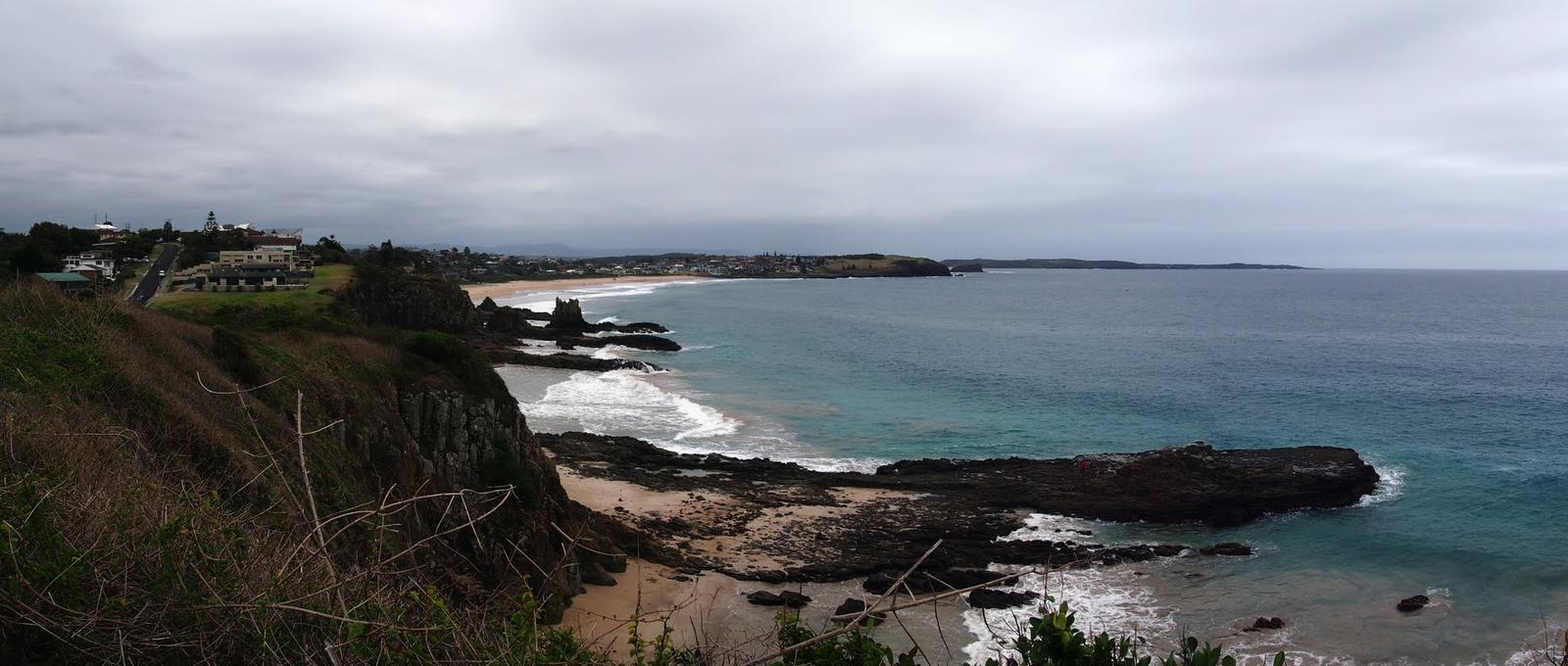
At low tide on a calm day, the rock platforms around Kiama hold small crabs, snails and anemones. Enjoy them where they are. NSW DPI Fisheries bans taking octopus from any rock platform in NSW ocean waters, and NSW recreational fishing rules, including bag and size limits, apply to other species. The simplest rule is to look, take a photo and put things back the way you found them.
For snorkelling, Bushrangers Bay Aquatic Reserve at Bass Point, about 21 minutes' drive (19.4 km) north in Shellharbour, is a sheltered no-take reserve. Visit NSW says its rock pools hold many invertebrates and its underwater cliff shelters sea urchins and tropical fish. Fishing by any method is banned, and so is removing anything, even empty shells.
Rock platforms are dangerous in a swell, so check the tide and never turn your back on the ocean. See Kiama rock pools for safe spots.
Find kangaroos further south, and wallabies closer in
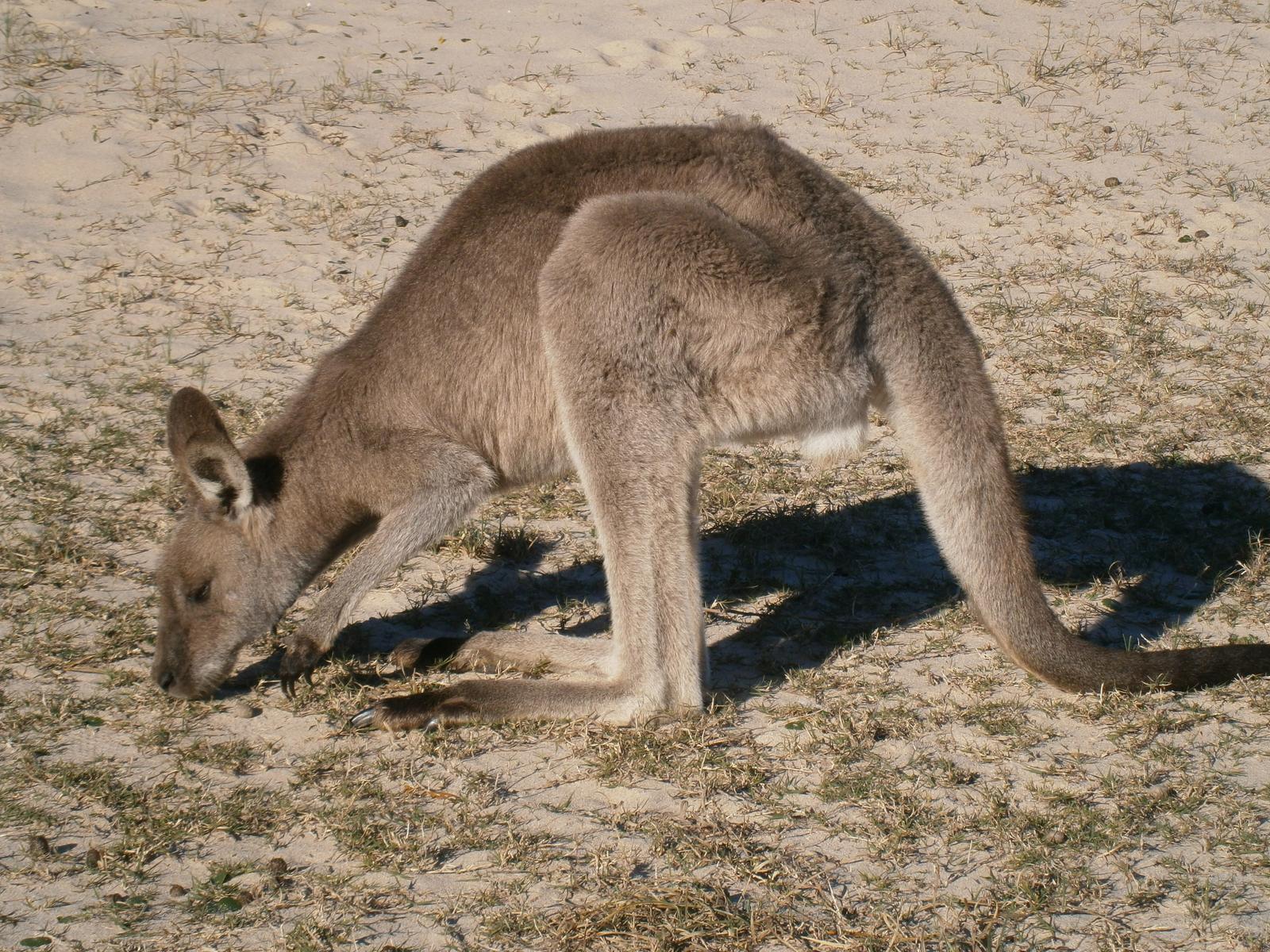
None of the official Kiama, Budderoo or Barren Grounds sources name a reliable spot to see wild kangaroos near town. What you can see close by is the swamp wallaby, which NSW National Parks lists at Minnamurra Rainforest, most often at dawn or dusk.
For eastern grey kangaroos, NSW National Parks points to Murramarang National Park, where they graze around Pebbly Beach. It's about 2 hours' drive (144 km) south, so plan it as a long day or an overnight stop.
Wherever you find them, keep your distance. NSW National Parks warns that kangaroos can turn aggressive if threatened, and asks visitors never to feed wildlife. For other trips south, see day trips from Kiama.
Choose a nature walk by how hard you want to work
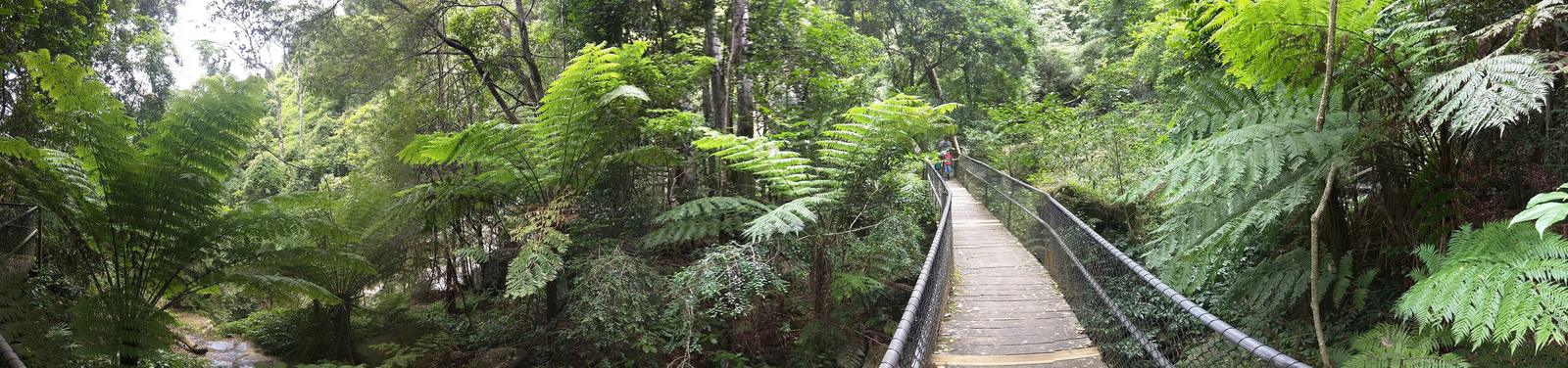
These walks put you in the right habitat for the wildlife above. Grades are NSW National Parks' track grades unless noted, and travel times are from Kiama Ridge Waters.
| Walk | Effort | Length | Watch for | Getting there |
|---|---|---|---|---|
| Spring Creek Wetlands walk | Easy | Flat path to Bombo Beach | Waterbirds from the hide | 5 min by car |
| Lyrebird Loop, Minnamurra | Grade 3 | 1.6 km loop, 30 min to 1 hr | Lyrebirds, water dragons | 25 min by car |
| Illawarra Lookout, Barren Grounds | Grade 3 | 2 km return, 30 min to 1 hr | Heath birds, echidnas | 31 min by car |
| Kiama Coast Walk, middle section | Medium/hard (Destination Kiama) | 6 km one way, about 1.5 hr | Whales in season, dolphins | 15 min on foot to Easts Beach |
| Minnamurra Falls walk | Grade 4 | 4.2 km return, 1 to 2 hr | Lyrebirds, rainforest birds | 25 min by car |
| Sand track (south), Seven Mile Beach | Grade 4 | 2 km one way, 1.5 to 2.5 hr | Parrots, honeyeaters | 19 min by car |
| Cooks Nose, Barren Grounds | Grade 3, steep in places | 8 km return, 2.5 to 3.5 hr | Ground parrots, bristlebirds | 31 min by car |
The coastal sections link up as the 20 km Kiama Coast Walk. For waterfalls on the escarpment, add waterfalls near Kiama to the same day.
Stay safe around snakes, ticks and leeches
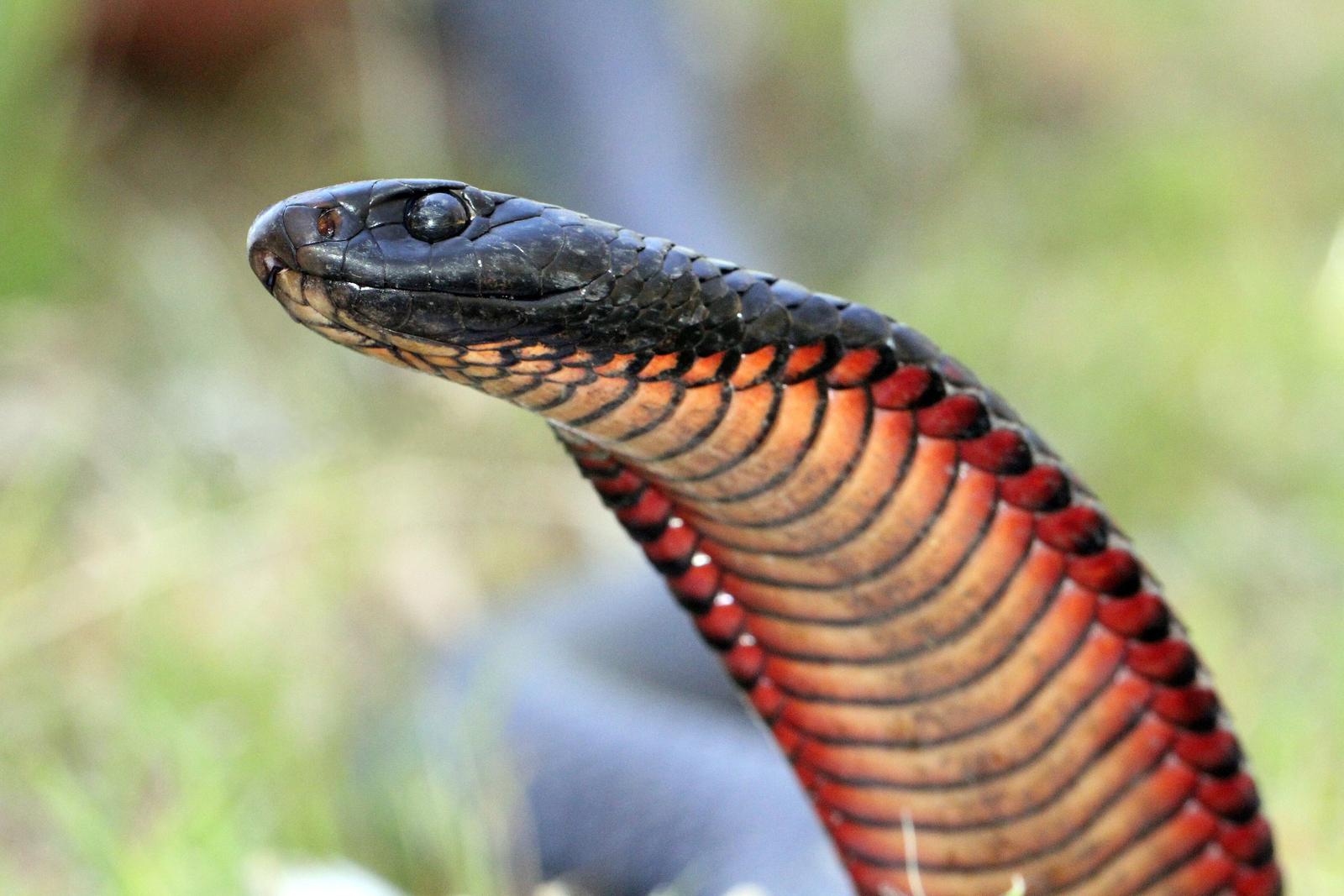
NSW National Parks says leeches, ticks and bees may be present in its parks, so wear light-coloured clothing, a hat and insect repellent, especially in the damp rainforest at Minnamurra.
- Snakes: if you see one, walk slowly backwards and let it pass. Don't poke it or try to move it. NSW National Parks says most bites happen when people try to kill or catch a snake.
- Emergencies: call Triple Zero (000). Mobile coverage is patchy in the parks, so download the Emergency Plus app before you go.
- Driving: wildlife is most active at dawn and dusk, so slow down on Jamberoo Mountain Road.
Pets aren't allowed in Budderoo National Park, Barren Grounds or Seven Mile Beach National Park, other than certified assistance animals. NSW National Parks also runs 1080 fox baiting programs in parts of these parks, which is lethal to dogs. Take your dog to the coast instead, using our dog-friendly beaches in Kiama guide.
Base your nature trip at Kiama Ridge Waters
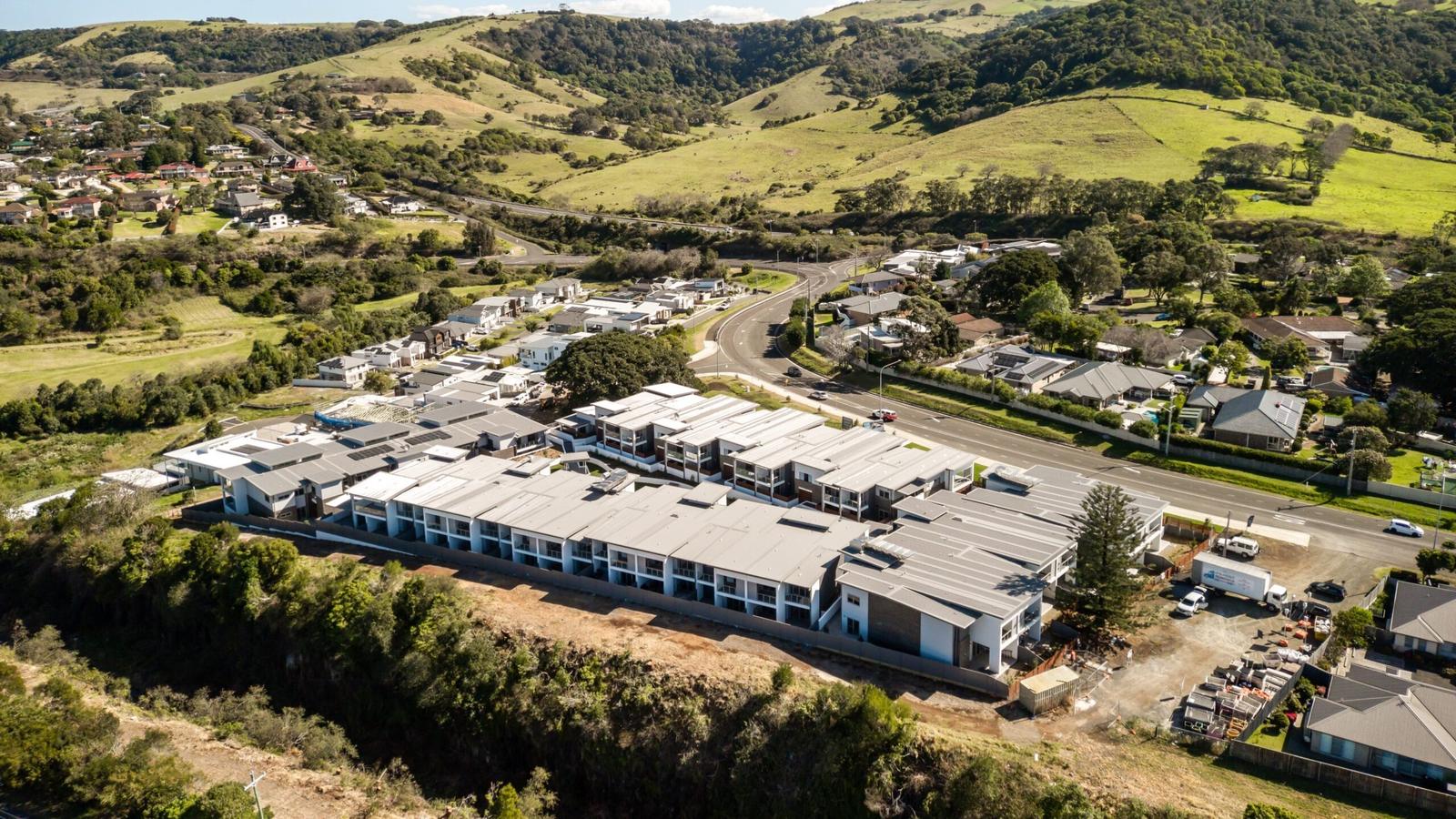
Kiama Ridge Waters makes an easy base for early starts. Each of its three-bedroom apartments at 2 Surfleet Place sleeps six, with a full kitchen for packing picnic lunches, a laundry for muddy gear and garage parking for two cars.
Minnamurra Rainforest is 25 minutes by car and Barren Grounds just over half an hour, so you can catch the early birds and be back at Easts Beach, a 15-minute walk away, by lunch. Most of our apartments welcome pets (a $200 cleaning fee applies), and check-in is from 3pm.
See our three-bedroom apartments in Kiama, family accommodation and pet-friendly stays, or check availability.
Quick answers
What wildlife can you see in Kiama?
Destination Kiama and NSW National Parks list humpback and southern right whales, dolphins, stingrays, pelicans, oystercatchers and white-bellied sea eagles on the coast. Inland you can find superb lyrebirds, swamp wallabies and water dragons at Minnamurra Rainforest, plus ground parrots and eastern bristlebirds at Barren Grounds.
Where can I see kangaroos near Kiama?
Official Kiama sources don't name a reliable spot for wild kangaroos near town. Swamp wallabies are seen at Minnamurra Rainforest at dawn and dusk. For eastern grey kangaroos, NSW National Parks points to Murramarang National Park around Pebbly Beach, about 2 hours' drive south.
Where can I go birdwatching in Kiama?
Start at the Spring Creek Wetlands bird hide, 5 minutes' drive from Kiama Ridge Waters. For rarer birds, Barren Grounds Nature Reserve has around 180 species, including ground parrots. Minnamurra Rainforest has lyrebirds, and Seven Mile Beach National Park has parrots and honeyeaters.
When can you see lyrebirds at Minnamurra?
Lyrebirds live at Minnamurra Rainforest all year, and you'll often hear their mimicry before you see them. NSW National Parks says males may be seen displaying their tails between June and August. Walk quietly on the Lyrebird Loop and arrive early for a better chance.
When is whale season in Kiama?
Destination Kiama says humpback and southern right whales pass Kiama heading north from late May to July, and return south with calves from September to November. Whales can pass at any time of day, so pick a high headland, bring binoculars and give yourself a few hours.
Can I take shells or animals from Kiama rockpools?
Leave them where they are. NSW DPI Fisheries bans taking octopus from any ocean rock platform, and fishing rules apply to other species. At Bushrangers Bay Aquatic Reserve near Shellharbour, you can't remove anything at all, even empty shells. Look, photograph and put things back.
Are there snakes and leeches on Kiama walks?
They can be. NSW National Parks says leeches, ticks and bees may be present in its parks, and snakes live in the bush. Wear light-coloured clothing, a hat and repellent. If you see a snake, back away slowly and let it pass. In an emergency, call 000.
Can I bring my dog to see wildlife near Kiama?
Not into the national parks. Pets aren't allowed in Budderoo National Park, Barren Grounds or Seven Mile Beach National Park, and fox baits used there are lethal to dogs. Dogs are welcome on leash along most of the Kiama Coast Walk, and most of our apartments take pets.
Sources and useful links
- Destination Kiama: Wildlife and nature
- Destination Kiama: Nature, walks and wildlife
- Destination Kiama: Spring Creek Wetlands and Bird Hide
- Destination Kiama: Kiama Coast Walk
- Destination Kiama: Whale watching
- NSW National Parks: Barren Grounds Nature Reserve
- NSW National Parks: Barren Grounds Nature Reserve, learn more
- NSW National Parks: Budderoo National Park, learn more
- NSW National Parks: Superb lyrebird
- NSW National Parks: Minnamurra Rainforest Centre
- NSW National Parks: Lyrebird Loop walk
- NSW National Parks: Seven Mile Beach National Park, learn more
- NSW National Parks: Murramarang National Park
- NSW National Parks: Wildlife encounters
- NSW National Parks: Bushwalking safety
- NSW National Parks: Illawarra Lookout walking track
- NSW National Parks: Cooks Nose walking track
- NSW National Parks: Minnamurra Falls walk
- NSW National Parks: Sand track walk (south)
- Visit NSW: Kiama Coast Walk (dogs on leash)
- NSW DPI Fisheries: Octopus closure on rock platforms
- NSW DPI Fisheries: Bushrangers Bay Aquatic Reserve
- Visit NSW: Bushrangers Bay Aquatic Reserve
- NSW Government: Approach distances for whales, dolphins and dugongs